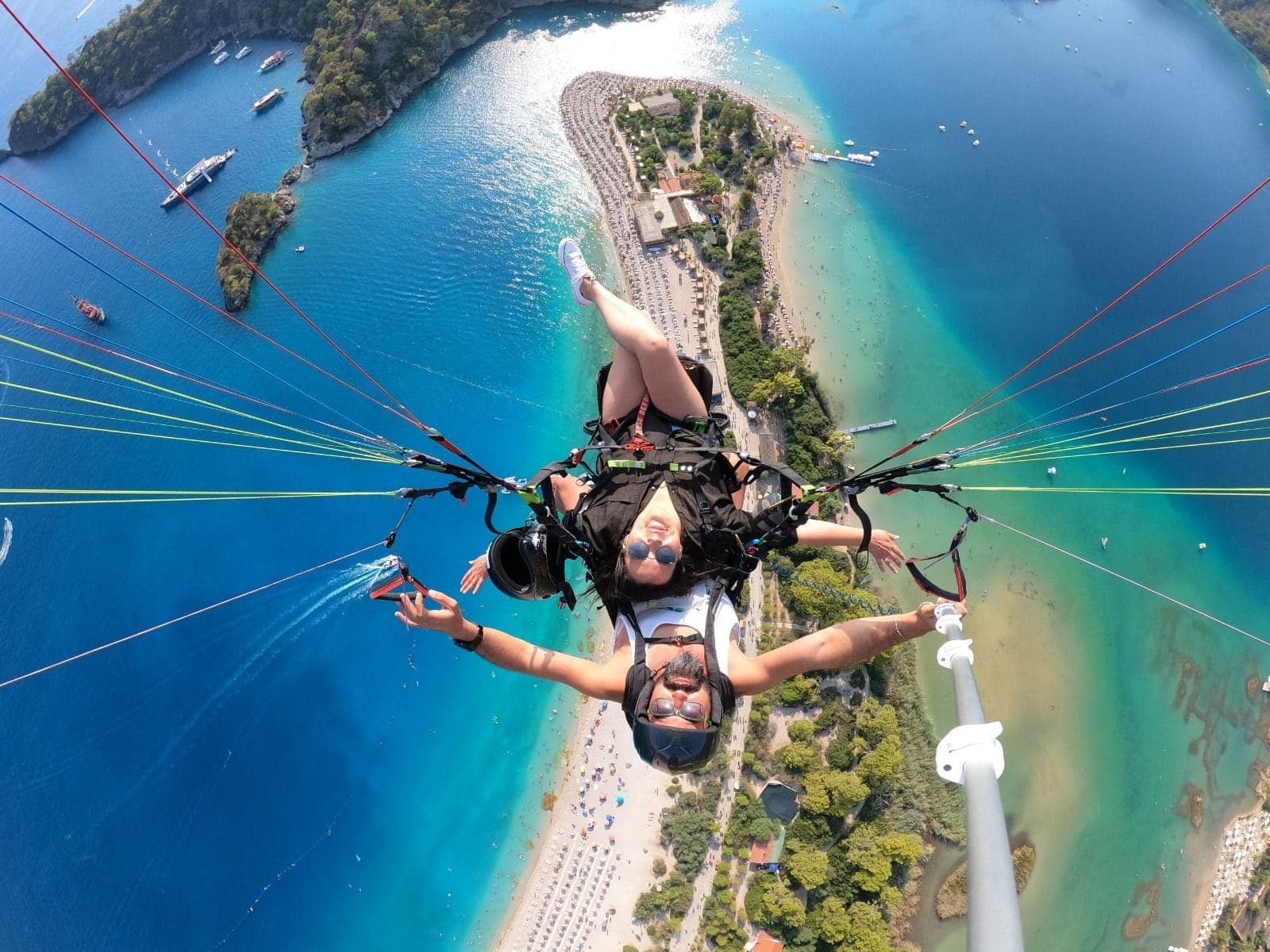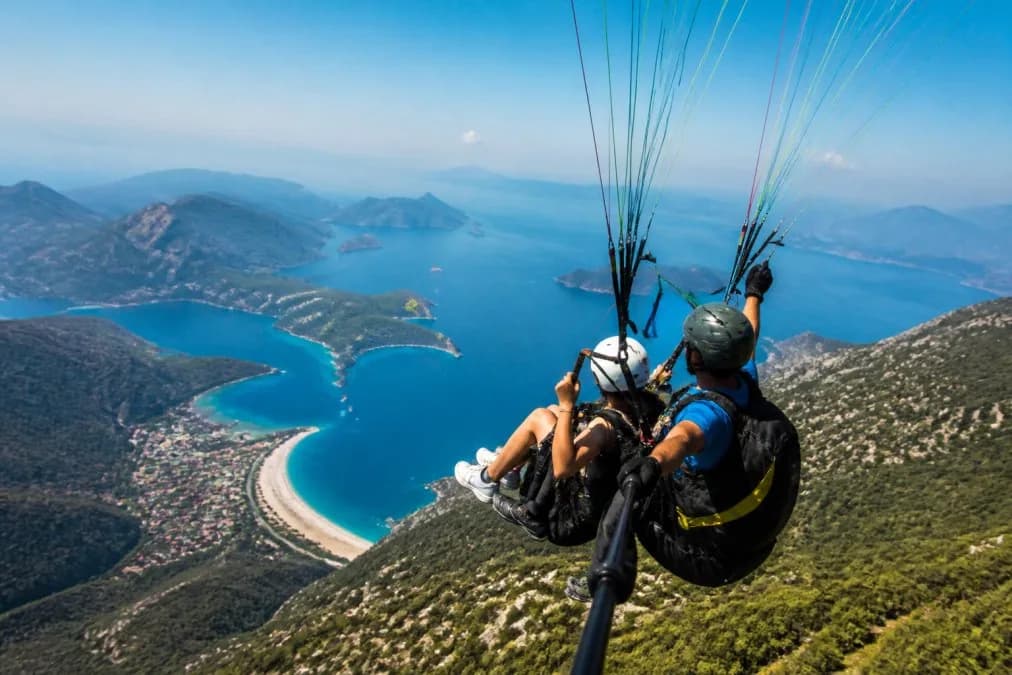
Best Weather for Paragliding in Ölüdeniz
Prime Turist local team · Updated: October 2026 · 9 min read
The best weather for paragliding isn't simply a nice sunny day. The right conditions shape the whole flight: how it feels, how safe it is and how much you enjoy it. On a mountain flight like Babadağ above Ölüdeniz, every element of the weather plays a part.
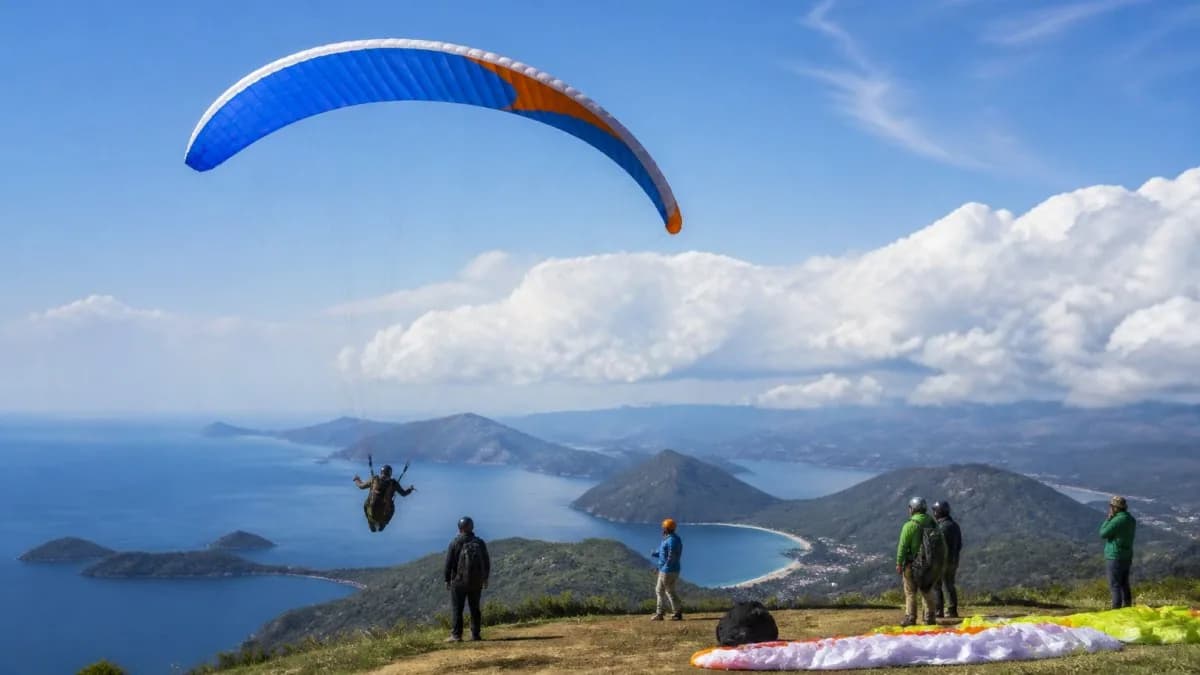
What Is the Best Weather for Paragliding?
Working with adventure lovers in and around Fethiye, we at Prime Turist have seen how much the weather shapes a paragliding flight. Wind, temperature, cloud and visibility all play a decisive part in a good flight.
In this guide we look at the weather conditions for paragliding from every angle, from the ideal wind to air pressure and humidity. We also cover the times of day people fly from Babadağ and the forecast tools pilots use.
Tip: the best weather for paragliding isn't fixed. Every season, time of day and location has its own ideal conditions. Experienced pilots understand these variables and plan accordingly.
Wind and Paragliding
Wind is the single most important factor in paragliding. The right wind makes a smooth flight; the wrong wind can make flying unsafe.
The Ideal Wind Range
When pilots assess the weather for paragliding, wind is always the first thing they check. Light to moderate wind, roughly 10 to 25 km/h, is generally considered good flying weather and allows a safe, controlled flight.
Experience matters, though. Pilots flying solo for the first time usually prefer the lighter end of that range, where the wing is more stable and easier to handle. On a tandem flight, the decision is your pilot's.
As the wind gets stronger, flying becomes more demanding: strong wind makes the glider harder to control, and much stronger wind stops flights altogether.
Good to know: very light wind isn't a problem in itself for a flight from Babadağ. The big height difference between the take-off and the beach gives a long glide anyway, but the flight will be more of a calm descent than a long soaring flight.
How Wind Speed Affects the Flight
As the wind picks up, the conditions become more challenging. Stronger wind can help the glider climb, but it also makes it harder to control.
In light wind, the flight is gentle and controlled. The pilot can steer the glider precisely. These are ideal conditions for training and for new pilots.
In moderate wind, conditions are the most enjoyable for experienced pilots. There's enough lift, yet control is still easy, so gaining height and flying longer becomes possible.
Stronger wind is only for experienced pilots and calls for quick reactions and advanced skills. On tandem flights, the pilots on the mountain decide whether conditions are suitable.
The Ideal Wind Direction for Paragliding
Wind direction is often overlooked when people think about paragliding weather, yet it has a direct effect on whether a flight can go ahead.
The ideal wind blows straight up the slope, or at a slight angle to it. When the wind comes from this direction, it rises up the mountainside, lifting the glider and helping the pilot gain height.
On Babadağ, the take-offs face the sea, so pilots want the breeze coming in from the sea and up the slope. Wind blowing from behind the mountain is not suitable for launching.
Wind blowing down the mountain (a tailwind at the take-off) can be dangerous: it pushes the glider down the slope. No flights take off in these conditions.
In short: the ideal wind direction depends on the shape of the mountain and which way the take-off faces. Every site has its own ideal direction, and experienced local pilots know theirs well.
Temperature, Cloud and Visibility
After wind, the most important parts of the paragliding weather picture are temperature, cloud and visibility.
Temperature
Temperature mainly affects how comfortable the flight is. Mild temperatures, roughly 15 to 25 °C, are the most pleasant.
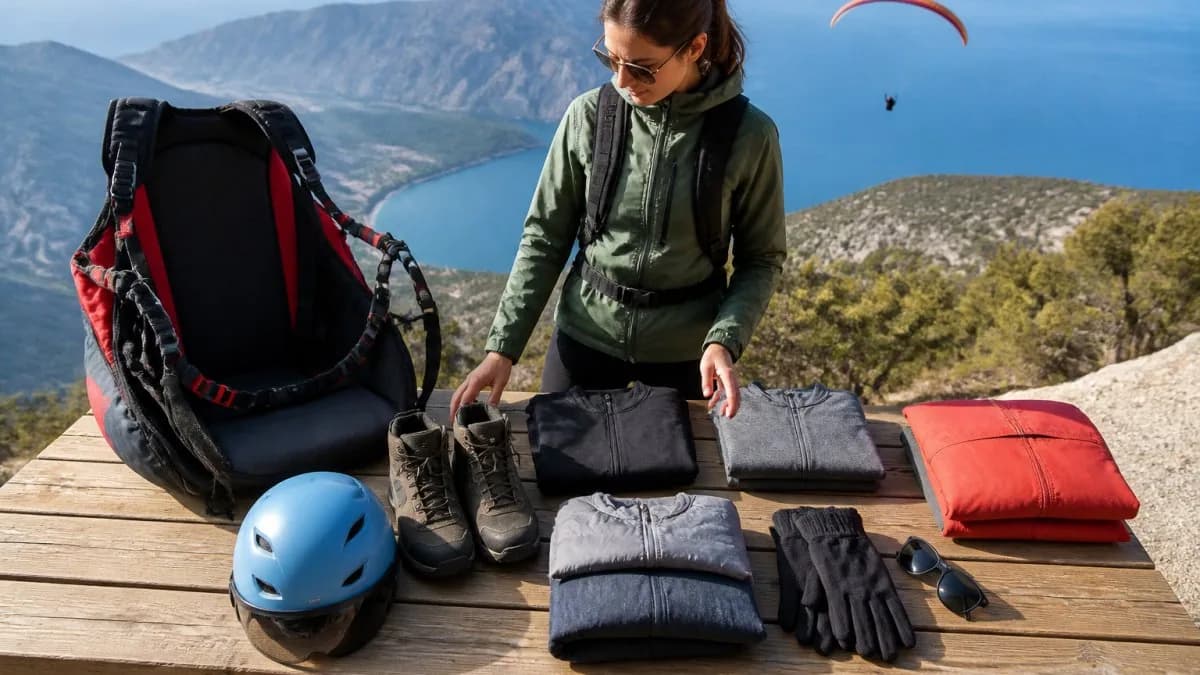
The take-off on Babadağ, at around 1,700 metres, is noticeably cooler than the beach, especially in winter and early in the morning. Bring an extra layer so you stay comfortable while you wait and fly.
In very hot weather, other things come into play. Hot air creates strong thermals on the mountainside, which can make the flight more lively and the climbs and sinks less predictable.
Summer middays in this region can be very hot, which is why many people prefer a morning or late-afternoon flight in July and August.
Cloud and Visibility
The best weather for paragliding means a clear sky and good visibility. Low cloud can make flying unsafe.
A mostly clear sky is ideal. The pilot can see everything clearly, navigation is easy, and the sun helps the thermals develop.
A partly cloudy sky is usually fine, as long as the cloud stays well above the take-off.
If the mountain is covered by cloud, flights can't go ahead: the pilot needs to see the take-off, the route and the landing area.
Good visibility is essential for safe flying. If visibility is poor, the flight waits until it improves or is moved to another time.
Around Fethiye, haze or cloud can sometimes sit on the mountain in the morning and usually clears later in the day.
Air Pressure and Humidity
Air pressure and humidity are less obvious parts of paragliding weather, but they still matter.
Air pressure tells you about the overall weather situation. Steady pressure usually means settled weather; quickly falling pressure often signals that bad weather is on the way, and then flights are postponed.
Humidity affects thermals and how clouds form. Very humid air can lead to haze and low cloud, which can limit flying; dry air rarely causes problems.
Near the sea, humidity can be fairly high in summer. On such days, visibility and cloud are watched closely.
In short: good paragliding weather is a combination of all these factors. Even if one factor is ideal, the flight can still be unsafe if the others aren't right. Everything has to be assessed together.
Paragliding Flight Times in Ölüdeniz
Flight times from Babadağ vary with the season, but there are some general rules.
Mornings often bring lighter, steadier wind, mild temperatures and good visibility, so morning flights tend to be smooth and calm.
Around the middle of the day, especially in summer, thermals are stronger and the air can be more lively. In winter, midday often offers pleasant conditions.
Late afternoon can again be lovely in summer: the temperature starts to drop and the air calms down. As sunset approaches, the light gets softer and the views can be stunning.
There are no flights after dark: visibility isn't sufficient and the safety risk is too high.
Paragliding Weather Forecast Tools
To judge the right weather for paragliding, reliable forecast tools are essential.
The Turkish State Meteorological Service (MGM) is Turkey's official weather service and provides reliable forecasts. Its website and app give hourly data, and paragliding pilots check it regularly.
Specialist apps such as Windguru and Windy focus on wind forecasts. They show wind speed, direction and changes in detail, which makes them very valuable for paragliding pilots.
There are also forecast services made especially for paragliding, which show wind, temperature, cloud and thermal potential together. They give the most complete picture for assessing the weather for a flight.
In the end, the conditions on the mountain itself matter most. The pilots on Babadağ check the wind and weather at the take-off on the day, and if conditions aren't suitable, the flight is moved to another time or another day.
Social media and pilot forums share real-time reports. Other pilots' experiences complement the forecast tools, but official weather data should always come first.
Conclusion
The best weather for paragliding is the right combination of wind speed, wind direction, temperature, cloud, visibility, air pressure and humidity. Around Fethiye, mornings and late afternoons often offer the smoothest conditions.
If you're planning to go paragliding in Fethiye, all of these factors count, and the forecast is checked carefully before every flight. Prime Turist offers tandem paragliding from Babadağ along with many other activities around Fethiye. Flights go ahead only when conditions are right; if a flight has to be cancelled because of the weather, you can choose a new date or get a full refund.
Ready to fly? Book your tandem paragliding flight over Ölüdeniz with Prime Turist. No experience is needed, there is no age limit, and you can cancel free of charge up to 24 hours before your flight.
Frequently asked questions
What wind speed is right for paragliding? Light to moderate wind, roughly 10–25 km/h, is generally considered good for paragliding. In stronger wind, control becomes harder and the risk rises. On a tandem flight you don't need to worry about the numbers: the pilots on the mountain decide on the day whether it's safe to fly.
What are the best times for paragliding from Babadağ in Fethiye? Mornings tend to be smoother and calmer, while around midday the warm air creates thermals that make the flight livelier. Late afternoon can be lovely again, especially in summer. Flights run through the day whenever conditions are right.
Can you go paragliding in rain or cloud? No flights take off in the rain. In cloudy weather, flying is possible as long as the cloud stays well above the take-off and visibility is good. If rain is forecast or the mountain is in cloud, the flight is moved to another time or day.
What is the best season for paragliding? Spring (April–May) and autumn (September–October) are often considered the most pleasant seasons: mild temperatures, steady wind and comfortable conditions. Summer heat and winter weather can sometimes limit flying, but paragliding from Babadağ runs all year round whenever the weather allows.