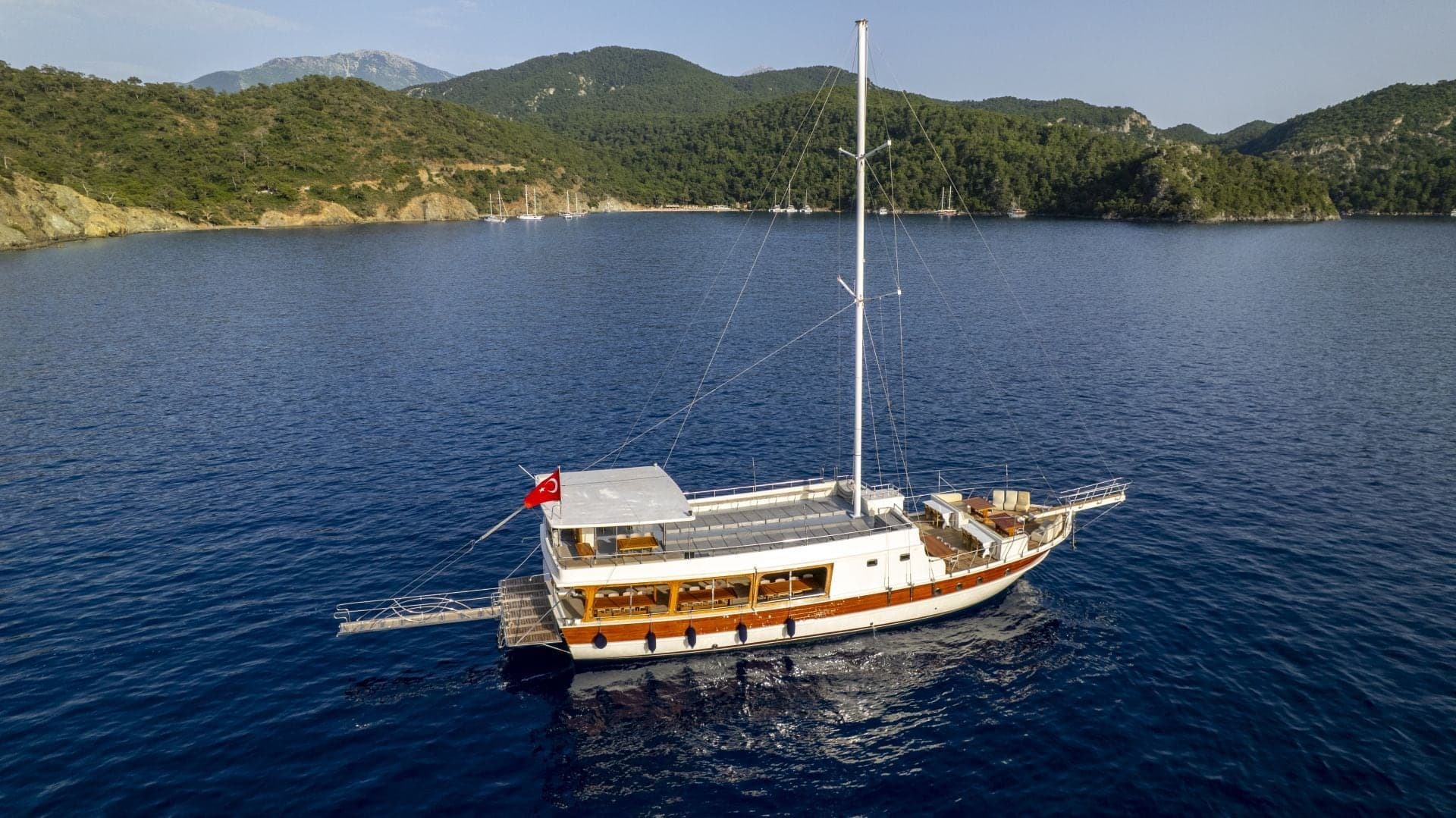
Seasickness on a Fethiye Boat Trip: How to Prevent It
Prime Turist local team · Updated: October 2026 · 8 min read
A little preparation against seasickness is the simplest way to save your day on a long boat trip around Fethiye's bays. The sea is often calmest in the morning and choppier in the afternoon, once the wind picks up. Seasickness happens when the balance system in your inner ear and what your eyes see don't agree: if the boat is rocking while your eyes are fixed on a cabin wall or a phone screen, that mismatch grows. The good news is that for most people, the right food, the right seat and a few simple habits make the queasiness much milder. Below we go through practical methods that work in the Fethiye bays, step by step.
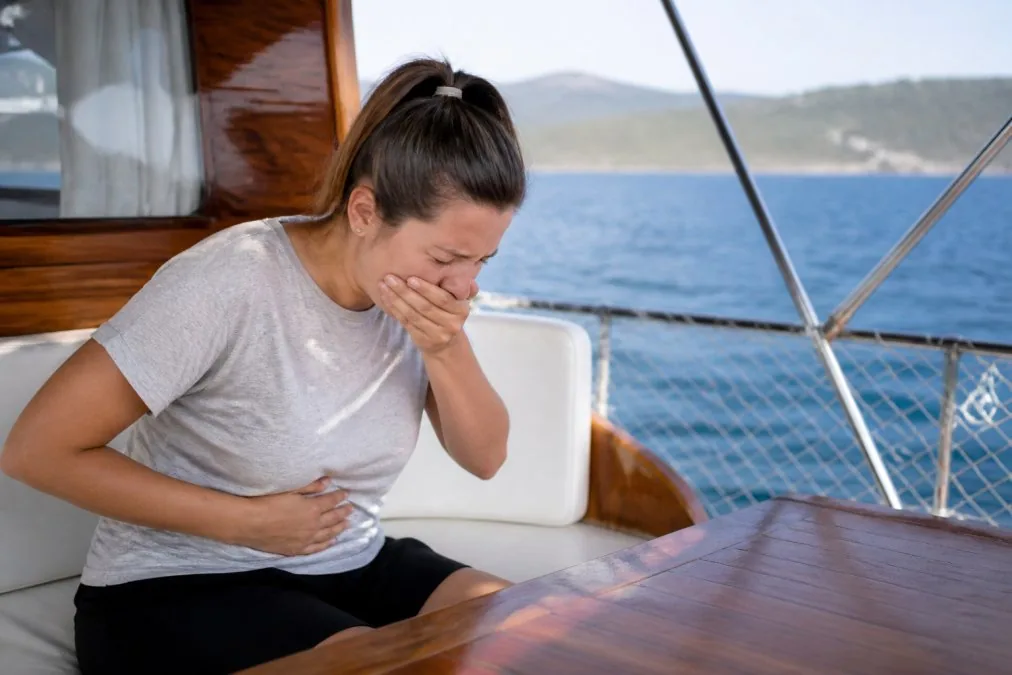
Why Seasickness Prevention Matters on a Fethiye Boat Trip
What Triggers Seasickness in the Fethiye Bays
Fethiye's sheltered bays may look calm, but open stretches of water and the afternoon wind can test your balance. Water that is glassy in the morning can turn into short, choppy waves once the afternoon breeze picks up. The open stretches between bays and islands are where a boat rocks the most. Being stuck in the heat on a crowded, airless deck makes things worse. Then there's the boat's own motion: side-to-side rolling bothers many people, and the bow-to-stern pitching unsettles even more.
Tip: On days when the captain adjusts the route to the wind, the steadiest part of the boat is usually the rear of the middle deck. As you board, ask the crew: “Where's the calmest spot today?” That one question can change your whole day.
What to Eat Before a Boat Trip
What you eat before the trip is the most underrated part of preventing seasickness. Going hungry and eating a heavy meal are both bad ideas. Don't fill your stomach, but don't leave it empty either; start the day with light, familiar food. On the morning of the tour, stay away from fatty, spicy and heavily sauced dishes. Caffeine and acidic drinks can irritate the stomach, and alcohol directly makes your sense of balance worse.
What to Eat on Tour Morning, and What to Avoid
The safest choice for tour morning is a light breakfast such as cheese, olives and bread, or a plain toastie and a few crackers. Many people find that a banana settles the stomach. The things to avoid are clear: fried food, eggs with sausages, heavy pastries, milky desserts and, above all, coffee on an empty stomach. Finish eating about an hour before you set off so your food has time to settle. Ginger tea or a few ginger sweets also fit easily into your morning routine.
Snacks and Drinks on Board
On board, choose snacks that are easy on the stomach: crackers, salted biscuits, green apples and crystallised ginger are the most practical. Water is your best friend; drink little and often. Water with a squeeze of lemon or plain mineral water can also help. Avoid sugary and fizzy drinks, and skip alcohol during the trip. While you eat, look at the horizon, not down at the deck.
What to Bring on a Boat Trip
Have your kit ready before you start feeling unwell. A small bag is enough; what matters is packing the right things. A hat, sunglasses and a light windbreaker protect you from both the sun and the cool breeze. Some people find that peppermint oil or a menthol balm rubbed on the temples eases nausea. Acupressure wristbands work for some people; if you want to try them, put them on before you set off. Pack a few bags and some wet wipes too, because you won't find them when you need them.
Situation · Practical fix · When to do it
Mild nausea · Look at the horizon, get fresh air · As soon as symptoms start
Upset stomach · Ginger tea or crackers · Around snack times
Dizziness · Close your eyes and keep your head still · When the rocking gets worse
Feeling clearly unwell · Tell the crew and move to a calmer spot · Straight away
What Helps with Seasickness? Natural and Practical Remedies
What helps with seasickness usually comes down to simple habits. Rule one: look at the horizon. Focusing on a fixed point in the distance reduces the conflict between your eyes and your inner ear. Rule two: fresh air. Move to an open corner of the deck and breathe deeply. Ginger tea, peppermint oil and lightly salted crackers bring relief for many people. Avoid your phone and books; screens and close-up focus make things worse.
What Should You Do If You Feel Seasick on the Boat?
When symptoms start, act calmly and in order. First change your seat: move to the open air, somewhere with a view of the horizon. Keep your head still and rest it against a cushion or a jacket. Breathe slowly and deeply. Take a small sip of water, but don't fill your stomach. If the symptoms don't pass, let the crew know; they see seasickness often and can help you find the steadiest spot. Don't push yourself; resting is the quickest fix.
Watch out: The most common mistake while you feel unwell is walking around the deck or leaning over the side of the boat. It raises the risk of a fall, and the movement makes the nausea worse. Sit down and stay still.
Where to Sit on the Boat: The Steadiest Spots on Fethiye Tours
The short answer to where to sit: the middle and rear of the boat, close to the waterline. The bow bounces the most and the top deck sways the most. On Fethiye tours, the middle deck is shaded and it's where you feel the motion least. Enclosed window seats and the lower deck get stuffy, which makes nausea worse.
Sit facing the direction of travel. Leaning your back against something helps keep your body steady. On a busy day trip, where there's less choice of seats, it's smartest to be quick when you board. Choosing the right seat often helps faster than anything else you can do on board.
In short: The steadiest place is the middle and rear of the boat. The right seat often makes a difference faster than anything else.
Preventing Seasickness in Children
Preventing seasickness in children works a little differently than for adults. Children often say late that they feel unwell, so watch for the signs yourself: a pale face, going quiet and yawning are early warnings. Give them a light breakfast before you set off and don't let them go hungry. Turn looking at the horizon into a game; something as simple as “Who can spot the furthest island first?” takes their mind off it. Seat young children in the middle of the boat and sit next to them.
The most practical solutions for children:
• A light, familiar breakfast before you set off
• Crackers and water within reach
• No screens or close-up focus
• A shady spot with plenty of fresh air
• Moving to a quiet corner as soon as symptoms start
If your child has been seasick before, it's best to talk to a pharmacist or doctor before the trip.
Conclusion: How to Enjoy Your Boat Day in Fethiye
Seasickness doesn't have to stop you from exploring Fethiye's beautiful bays; it just takes a little preparation. Eat light, sit in the right place, look at the horizon and pack a few practical items. Most day trips along this coast start in the morning, and the wind picks up in the afternoon; knowing that rhythm helps you take your precautions at the right time.
If you don't want your stomach to let you down halfway through a day of exploring Fethiye's hidden bays and historic spots, a little planning makes this entirely manageable. With a wide range of tours in the area, culture and nature routes, and the convenience of arranging your holiday plans in one place, Prime Turist is here to help you enjoy a comfortable day. Get started and enjoy your Fethiye adventure at its best.
Frequently asked questions
Why do people get seasick on boat trips? Seasickness comes from a conflict between what your eyes see on a steady deck and the motion your inner ear's balance organ feels. In the Fethiye bays, even small waves and a light wind can trigger this conflict while the boat is at anchor. Setting off hungry or straight after a heavy, fatty meal, sitting in a closed, stuffy cabin, and staring at a phone or a book for a long time all bring symptoms on faster. A light breakfast and keeping your eyes on the horizon from the deck noticeably lower the risk.
What helps with seasickness, and which natural remedies work? Ginger tea or ginger biscuits, the scent of peppermint oil and sucking on a slice of lemon can help ease nausea. Acupressure wristbands also work for some people. The most effective approach, though, is to act before symptoms start: go out on deck for fresh air, look at the horizon, close your eyes and listen to calm music through headphones, and keep your head still. Going inside once the nausea has started usually makes it worse.
Where should you sit to avoid seasickness on a Fethiye boat trip? The steadiest part of the boat is the middle section, towards the back. The bow meets the waves first and you feel the up-and-down motion most there, while the enclosed lower-deck cabin gets stuffy and makes nausea worse. The most comfortable choice is a shaded spot towards the back, facing outwards; look at the horizon and, if you can, let the breeze hit your face. Prime Turist's boat trips are full-day tours that leave at 10:00, and in Fethiye the wind usually picks up in the afternoon, so the morning is normally the calmest part of the day; take your precautions early.
What can you do to prevent seasickness in children? Give your child a light, low-fat breakfast before the trip so they're neither hungry nor too full. Don't let them look at screens on the way; have them watch the distant shore or the islands instead. A wristband, crackers and water, and a seat in the shade may reduce symptoms. If nausea starts, take them out into the open air at the back of the boat. If it goes on for a long time, ask the crew for help and, if needed, see a doctor.