Driving to Fethiye's Bays: A Self-Drive Guide
Prime Turist local team · Updated: October 2026 · 8 min read
Before you set off to explore Fethiye's bays by car, it helps to understand how the area is laid out. This part of Muğla province hides some of the most beautiful corners of the Mediterranean, but reaching them takes a little planning and the right information.
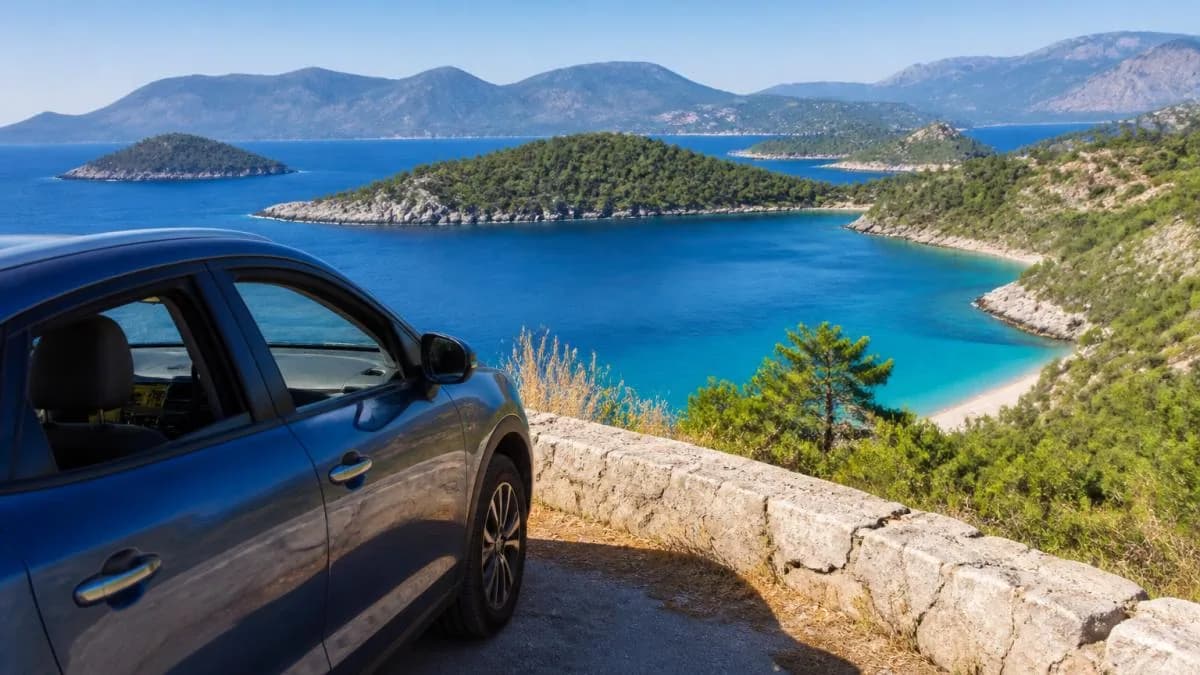
Driving to Fethiye's Bays: What to Know Before You Start
We've helped plenty of visitors explore Fethiye's bays, and the biggest mistake we see is setting off unprepared: not knowing the road conditions, having no idea what kind of car they need and starting out without a map.
This guide is more than a list of routes; think of it as having an experienced local beside you. It tells you exactly where to go, how to get there and what to expect.
In short: travelling by car is the most flexible and adventurous way to explore Fethiye's bays. But before you start, you need to know the road conditions, the right type of car and how to plan your time.
From Fethiye Town to Ölüdeniz and the Nearby Bays by Car
Ölüdeniz is Fethiye's most famous spot, and it makes sense to start here because the roads are at their best. From Fethiye town centre to Ölüdeniz is about 15 km, or 20–25 minutes in a normal car.
The road is fairly straight and well maintained. Leave the town centre following the signs for Ölüdeniz; they're very clear. From Ölüdeniz, the road that climbs above the beach carries on towards Faralya and Kabak.
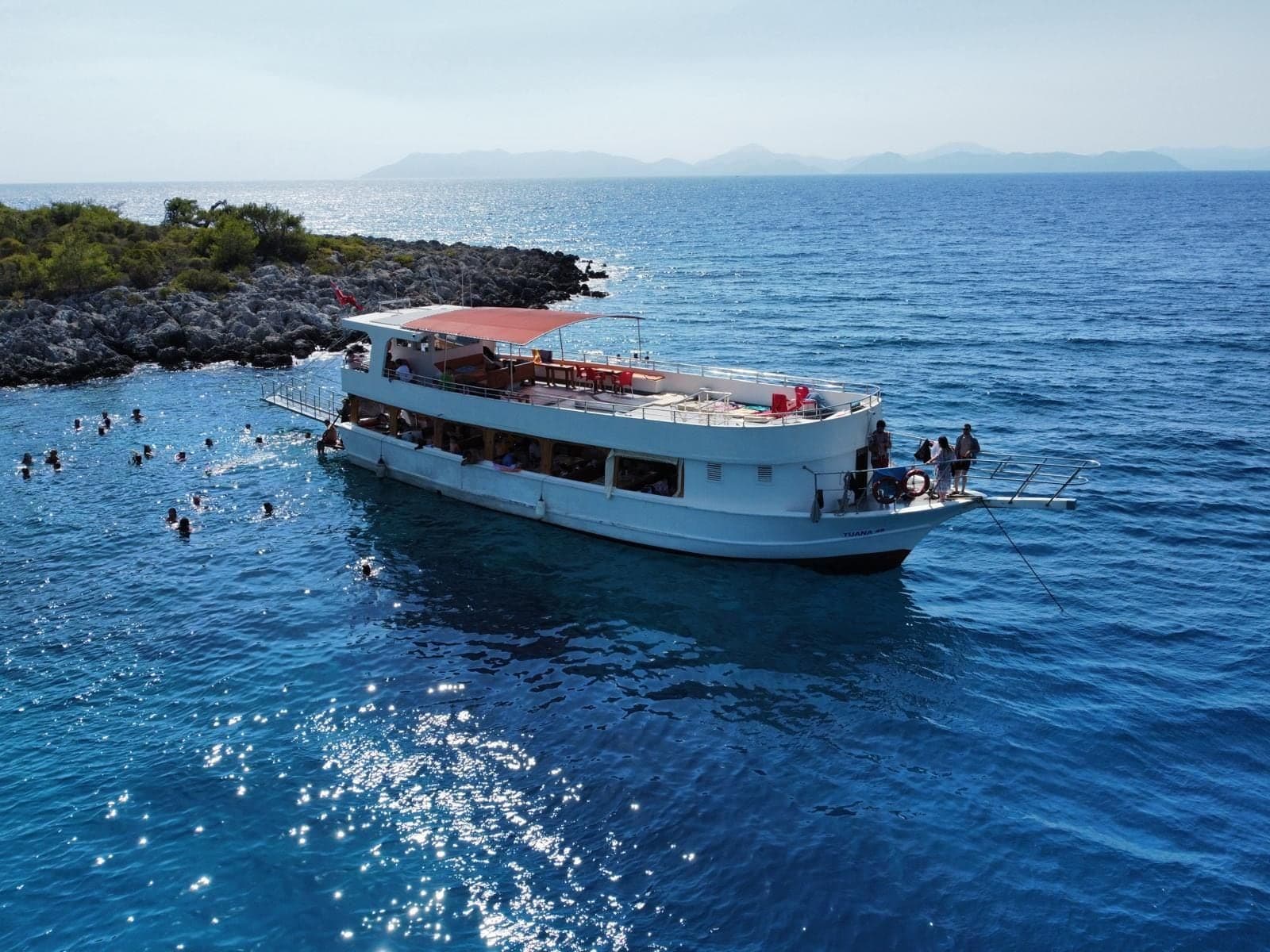
Butterfly Valley lies just south of Ölüdeniz, but you can't drive there. The footpath down from Faralya is very steep, with rope-assisted sections, and there have been serious falls on it, so we don't recommend it. The easy way in is by boat from Ölüdeniz: Prime Turist's Ölüdeniz Boat Trip stops at Butterfly Valley (entry to the valley is paid separately).
Places that are easy to reach from Fethiye town:
• Ölüdeniz Beach (car park available)
• Butterfly Valley (by boat from Ölüdeniz)
• Gemiler Bay (via Kayaköy)
• Çalış Beach (just north of the town centre)
Tip: Arrive in Ölüdeniz early in the morning and you'll see the blue water and white beach without the crowds. Finding a parking space is much easier in the morning too.
How to Reach Kabak Bay by Car
Kabak Bay is one of the hardest places in the Fethiye area to reach, and that's exactly why it's one of the most beautiful. It's roughly 35–40 km from Fethiye town centre, about 50–60 minutes by car.
The road is more demanding: narrow and full of bends, but passable in a normal car. In this part of Muğla the road surface can change from season to season, and some stretches may be damaged in winter.
To get to Kabak, head for Ölüdeniz, then follow the signs for Faralya. The road climbs along the cliffs, and at the end you'll find the road that drops down to Kabak Bay. This last stretch is narrow and steep and needs careful driving.
Kabak is far quieter than Ölüdeniz. The bay is completely natural, there are places to camp and the colour of the water is incredible.
Watch out for these on the way to Kabak:
• Narrow, winding roads
• Steep climbs and descents
• Smaller cars are better suited
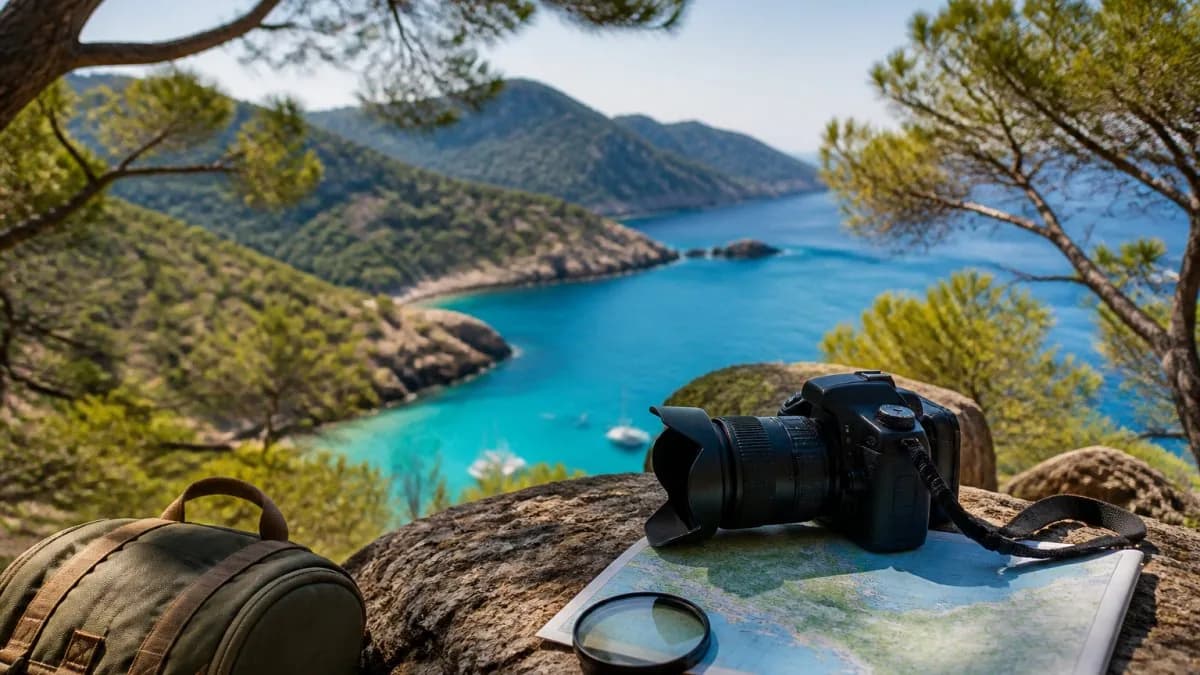
• Keep a road map with you
Watch out: On the Kabak road, especially in winter or after heavy rain, the surface can subside. Check the weather before you go and ask locally, for example at your accommodation.
Driving to Fethiye's Bays: Road Conditions and Access
Road conditions are the most important factor when you drive to the bays. The roads here change with the seasons: a road that's fine in summer can be tricky in winter.
Roads in summer: In summer (June–September) the roads are at their best. The sun and heat keep them dry and even the narrow roads are passable. But there's more traffic, so it's smart to set off early in the morning.
Roads in winter: In winter (December–February) some roads may close. It doesn't snow on the coast, but rain leaves mud and standing water, and some bays can become impossible to reach.
Which car to choose: A normal saloon is fine for the main roads. If you're heading down narrow, steep roads, an SUV or a car with more ground clearance is safer. On some roads in the area, low cars struggle.
The most common problem we see is people setting off in the wrong car. A low saloon has a hard time on narrow, stony roads.
Road safety tips:
• Keep a map and GPS with you
• Check local news for road closures
• Drive slowly, especially on narrow roads
• It's safer to travel with another car
Fethiye Bays by Car: The Best Routes
To visit Fethiye's bays you need to plan your routes. You can't see them all in one day, but you can pick the best and build a good route around them.
A classic day route:
Leave Fethiye town centre at 7 in the morning. Your first stop is Çalış Beach, just north of the centre. Have breakfast there and enjoy the colour of the water. Then drive to Ölüdeniz and spend 2–3 hours there. Have lunch.
In the afternoon, if you want to see Butterfly Valley, leave the car in Ölüdeniz and go by boat; the footpath down from Faralya is dangerous. Back on the road, make Gemiler Bay, reached via Kayaköy, your last stop and watch the sunset there.
An adventure route (2 days):
On day one, drive to Kabak Bay; it takes around an hour. Camp there or find somewhere to stay the night. The night sky is incredible.
On day two, head back early via Ölüdeniz and Kayaköy to Gemiler Bay. Just offshore is Gemiler (St Nicholas) Island, known for its historic ruins. Then drive back to Fethiye.
Tip: Plan your route in advance, but stay flexible. If you find a lovely spot on the way, spend more time there.
How Many Days Do You Need for Fethiye's Bays?
Planning your time matters a lot. How many days you need depends on what you want to see.
One day: If you only want to see Ölüdeniz and the area around it, one day is enough. Go in the morning, have lunch, swim, watch the sunset and head back in the evening.
Two days: For a more relaxed pace, two days work well. Day one: Ölüdeniz and Butterfly Valley (by boat). Day two: Kabak Bay or somewhere further afield. Stay the night somewhere along the way.
Three days: Three days is ideal for really exploring Fethiye's bays. You can see the best of the area: take the narrow roads, walk down to hidden bays and visit ancient sites.
Four days or more: With plenty of time, explore the bays one by one. Walk sections of the Lycian Way, get to know the local culture and get a feel for the real Fethiye.
Exploring the bays by car isn't just about the roads. How well you use your time is what makes the trip.
What to Keep in Mind When Visiting the Bays
A few things really matter when you head for Fethiye's bays. Ignore them and they can spoil your holiday.
Water and food: Many bays have nowhere selling water or food. Take plenty of water and something to eat. The summer sun here is very strong, and running out of water is no fun.
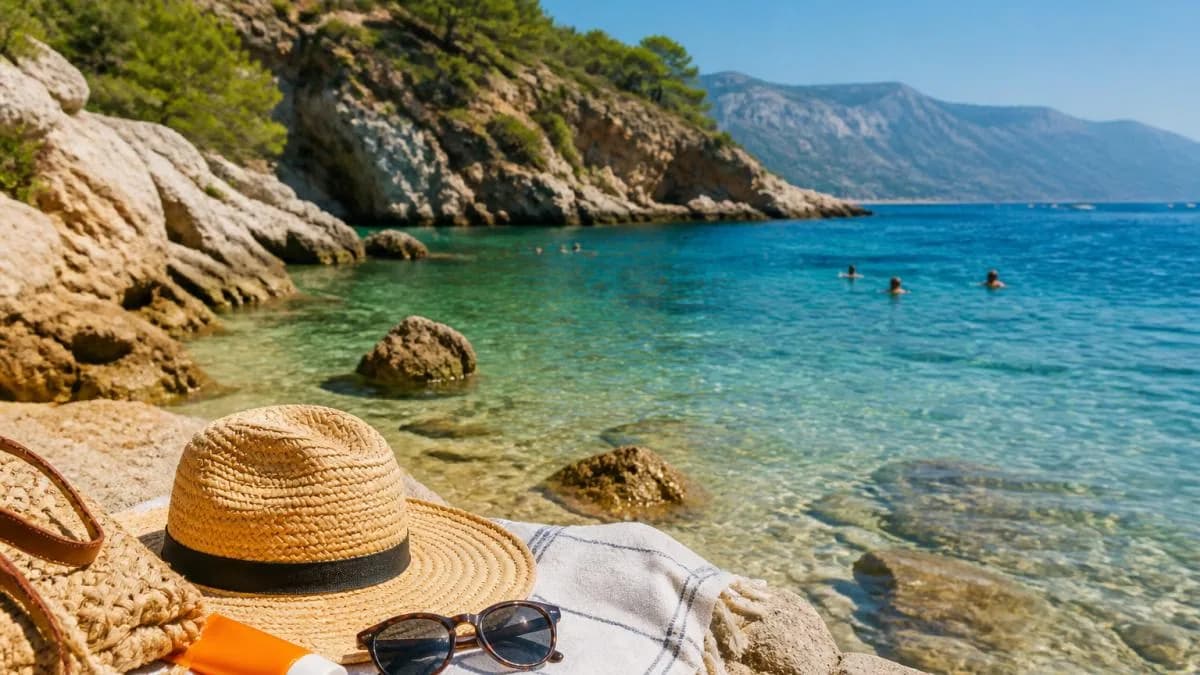
Sun protection: The sun is fierce. Wear sunscreen, a hat and sunglasses. Many bays have no shade, so a beach umbrella is a good idea.
Medical help: Some bays are hard for an ambulance to reach. If there's a serious injury, don't lose time; head straight back to town. For this reason, choose more accessible bays if you're travelling with children or older people.
Respect for nature: The bays are natural and beautiful, and it's up to all of us to keep them that way. Take your rubbish with you, don't damage the plants and keep the noise down.
Watch out: There may be no mobile signal in some bays. Carry a device with offline maps and a compass, and if you get lost, ask local people for directions.
Car checks: Narrow, stony roads can damage a car. Check the tyres and engine oil, and get any mechanical problem fixed before you go.
Weather: The weather can change suddenly, and roads turn muddy once the rain arrives. Check the forecast, and if bad weather is on the way, postpone your trip.
Driving to the bays is all about adventure and discovery. With good planning and preparation, you'll see the most beautiful corners of Fethiye. If you'd rather leave the driving to someone else, Prime Turist's boat trips from Fethiye and Ölüdeniz reach bays you can't get to by road, including Butterfly Valley. But travelling by car gives you the freedom to go at your own pace and spend time wherever you choose. This corner of Muğla is waiting to be explored, so start planning an unforgettable adventure.
Frequently asked questions
Can you reach Fethiye's bays by car? Yes, you can reach most of them by car. Popular spots such as Kabak Bay, Çalış Beach and Ölüdeniz are connected by asphalt or gravel roads. Butterfly Valley is the exception: there's no road, and the easy way in is by boat from Ölüdeniz. Some more remote bays involve rougher terrain, but with the right car and preparation you can get there. Roads can close for the season or for repairs, so check conditions before you go.
How do you get to Kabak Bay by car? From Fethiye town centre, head towards Ölüdeniz. After Ölüdeniz, follow the road to Faralya and Kabak, a mountain road along the cliffs. It is narrow and winding, so drive carefully. It gets even narrower as you approach the bay, and on some stretches two cars can't pass each other. Make sure your car is in good shape and use a map or GPS.
How many days should you allow to explore Fethiye's bays by car? To explore the bays comfortably, allow at least 3–4 days. You can visit several bays in one day, but you need more time to really enjoy each place and what there is to do there. If you're planning to dive, swim or walk, allow at least half a day for each bay. In the busy summer months, journeys can take longer.
What should you carry in the car when visiting Fethiye's bays? Enough water, sunscreen, a hat and sunglasses are essential. Carry a first-aid kit, a map or GPS, the number of a local mechanic and basic car kit (a tyre repair kit and jump leads). A torch is useful too, in case you're caught out on narrow roads after dark. In summer, take extra water and keep the car ventilated. If you're bringing a camera, pack a spare battery and memory card.