The Best Bays in Fethiye for Nature Photography
Prime Turist local team · Updated: October 2026 · 7 min read
The most beautiful bays in Fethiye for nature photography almost compose the picture for you, with clear water, pine forests and quiet mornings. We put this guide together as the Prime Turist team, noting where and when the light is at its best. What awaits the photographer on this stretch of coast is not just the view but that brief moment when the light touches the water.
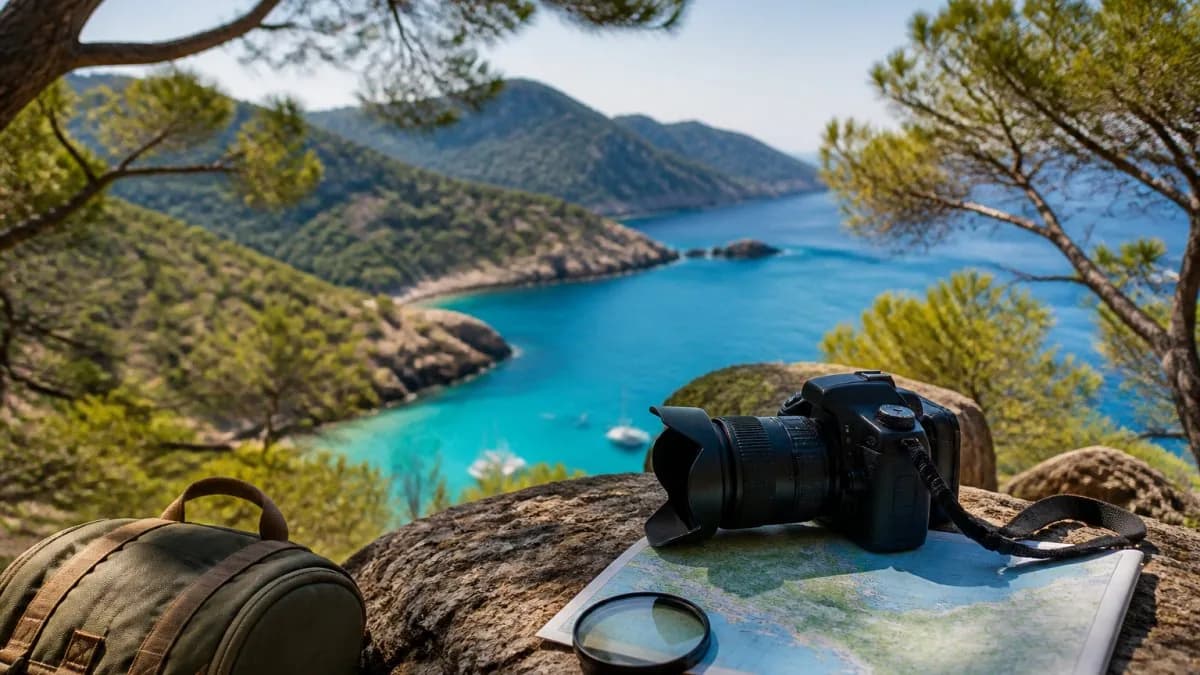
Fethiye's Bays: The Best Spots for Nature Photography
The bays around Fethiye are one of the best places in Turkey for nature photography. Steep cliffs, turquoise coves and islands all come together here. In this guide we cover what to shoot in each bay, when to go and what gear to take.
A quick warning: the best shots don't happen at the busiest times. The early riser wins.
Where to Take Photos in Fethiye: Bay by Bay
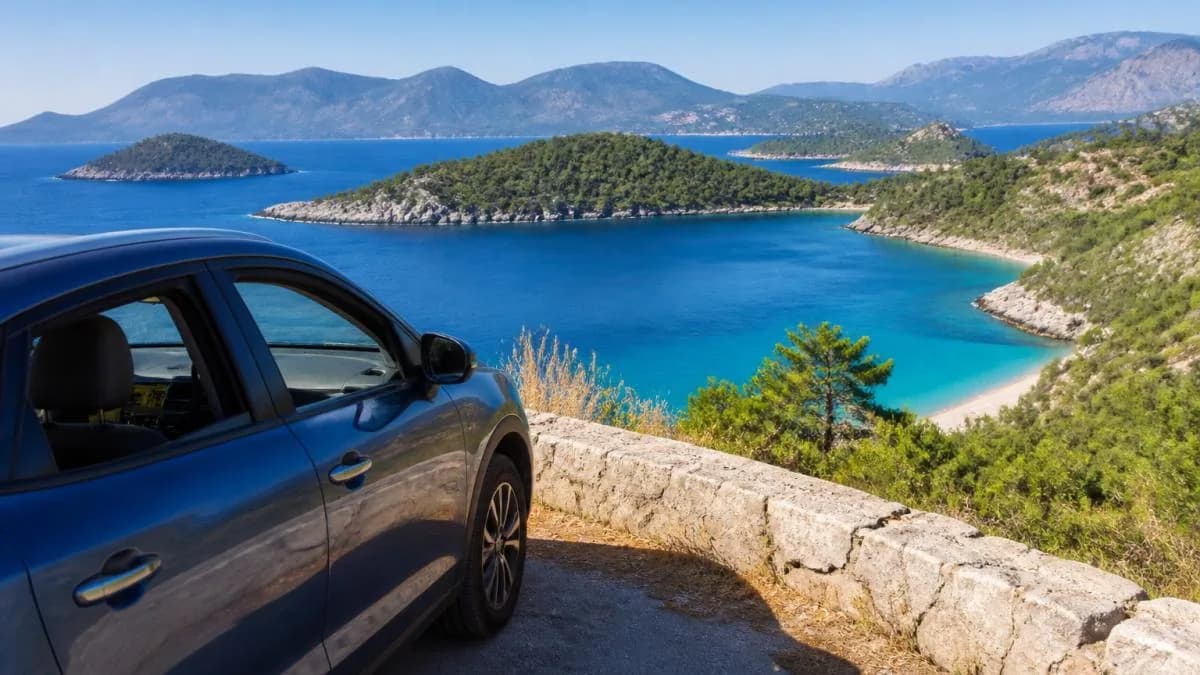
The list of photo spots in Fethiye is long, but not every bay works for the same kind of shot. Some suit wide landscapes, some textures, some long exposures. Choosing the right bay matters as much as choosing the right lens.
Ölüdeniz and Butterfly Valley
Ölüdeniz is the strongest spot for wide-angle and high-viewpoint shots. The curve of the lagoon and the mountain silhouette behind it fit into a single frame. Early in the morning the water is still and reflections are sharp, and the best-known wide shots of Ölüdeniz are taken from the paragliding take-off on Babadağ.
Butterfly Valley calls for vertical compositions. Sheer cliffs drop down to a narrow cove, and even a phone can capture a powerful shot here.
Important: at midday the shadows are harsh and contrast is hard to control.
Göcek and Kızılada
Göcek is rich in islands and bays. Around Kızılada (Red Island) the water is clear and you can see the bottom, and this is where a polarising filter really shows the difference.
Göcek's great advantage is quiet. Early in the morning the bays are almost empty, and still water without boat wakes is ideal for reflection shots.
Tip: the most useful setting for bay photography is manual white balance. In auto mode the colour of the water shifts easily; a fixed value of around 5500K keeps the turquoise consistent.
Fethiye's Bays and Beaches: Light, Texture and Composition
Fethiye's bays and beaches fall into two groups depending on the light: those that catch the morning light and those that catch the evening light. Knowing which is which lets you get good results from two different bays in one day.
Golden hour is the first hour after sunrise and the last hour before sunset. In this window the light softens, shadows lengthen and the surface of the water takes on a glowing texture.
Three basics for shooting:
• Light: avoid harsh midday light; colours are richer in soft light.
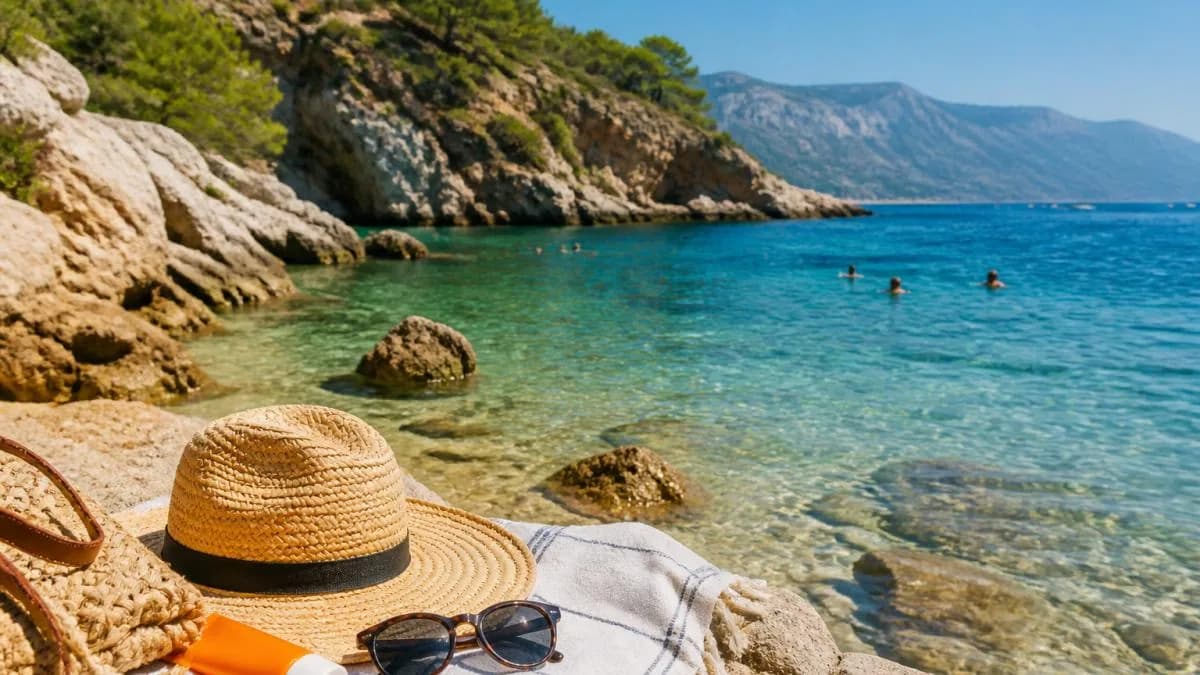
• Texture: rocky surfaces, pebbles and ripple marks make great close-ups.
• Composition: putting a rock or branch in the foreground adds a sense of depth.
A sturdy tripod is a must for long exposures. If you want to turn moving water into a silky surface, the best time is the morning, before the wind picks up.
Important: stepping on the living organisms on the seabed harms both the ecosystem and your photo. Losing your balance on wet rocks is the most common way to drop your gear in the water.
Fethiye Boat Trip Bays: Choosing a Route for Photography
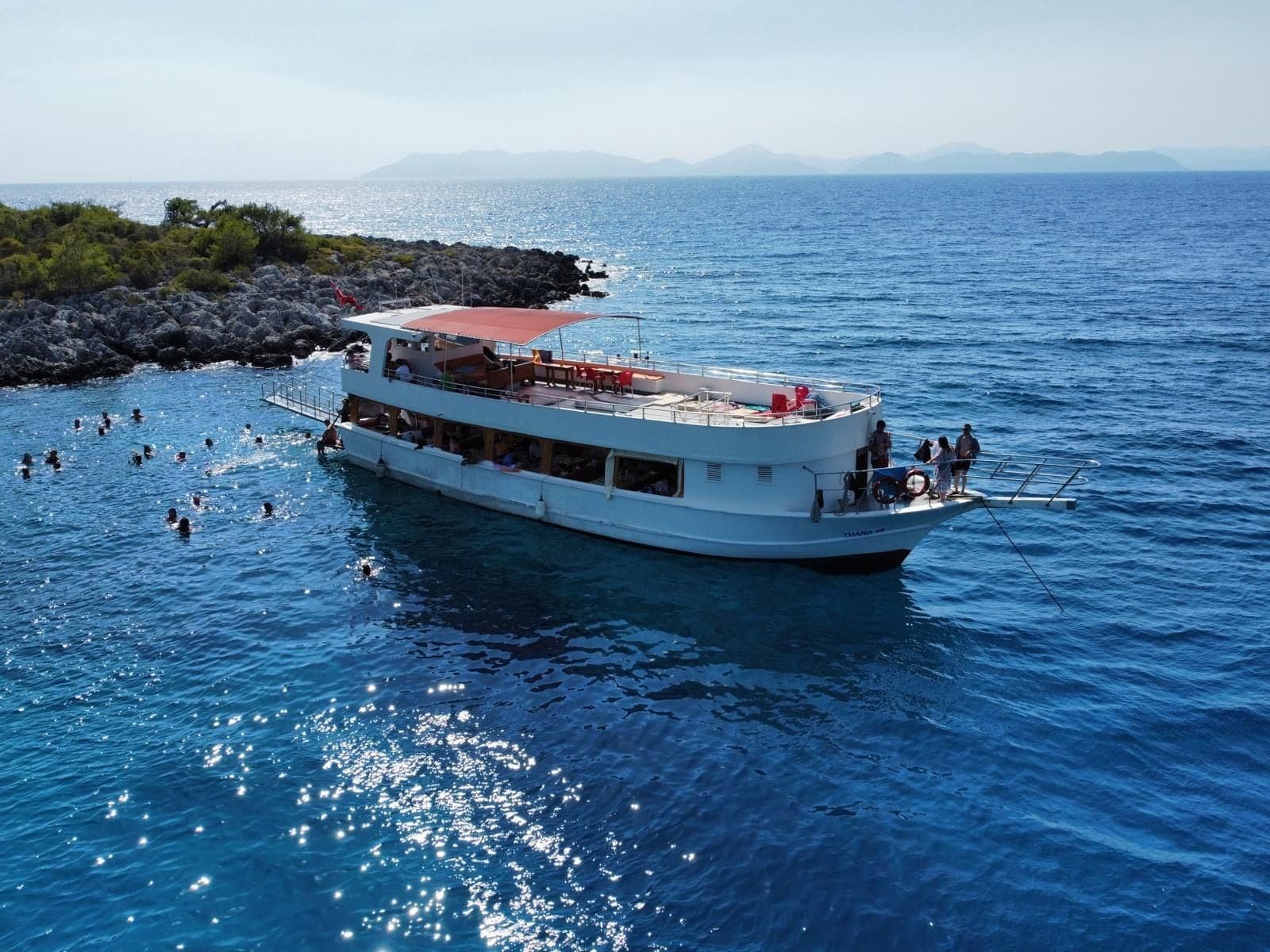
A Fethiye boat trip takes you to bays you can't reach by road. For a photographer, the boat is not just transport but part of the shooting plan.
Ask yourself three questions when choosing a route:
Question · Why it matters · What to look for
Does it give you good light? · Soft low light is the cleanest light · Prime Turist's day trips leave at 10:00; for golden hour, choose the private sunset cruise (17:00–22:00)
Number of bays or time in each? · Longer in fewer bays is more productive · 3–4 stops are enough for a photographer
Is it crowded? · Crowds end up in the frame · Prioritise quiet bays
The Göcek, Ölüdeniz and Kızılada routes are among the most rewarding by boat. Time on shore in bays reached by boat is short, so be ready to set up your gear quickly.
On Prime Turist's boat trips the order of the stops can change with the weather and the sea; if light matters to you, ask your crew for the approximate times of each stop. Our aim is for you to catch the best light of the day in the right bay.
The coast between Fethiye and Göcek is a Specially Protected Area, so treating these bays with care matters even more.
Gear and Shooting Techniques for Nature Photography
The gear you need for nature photography depends on the type of bay: a wide-angle lens for big landscapes, a macro for textures and a telephoto for distant islands.
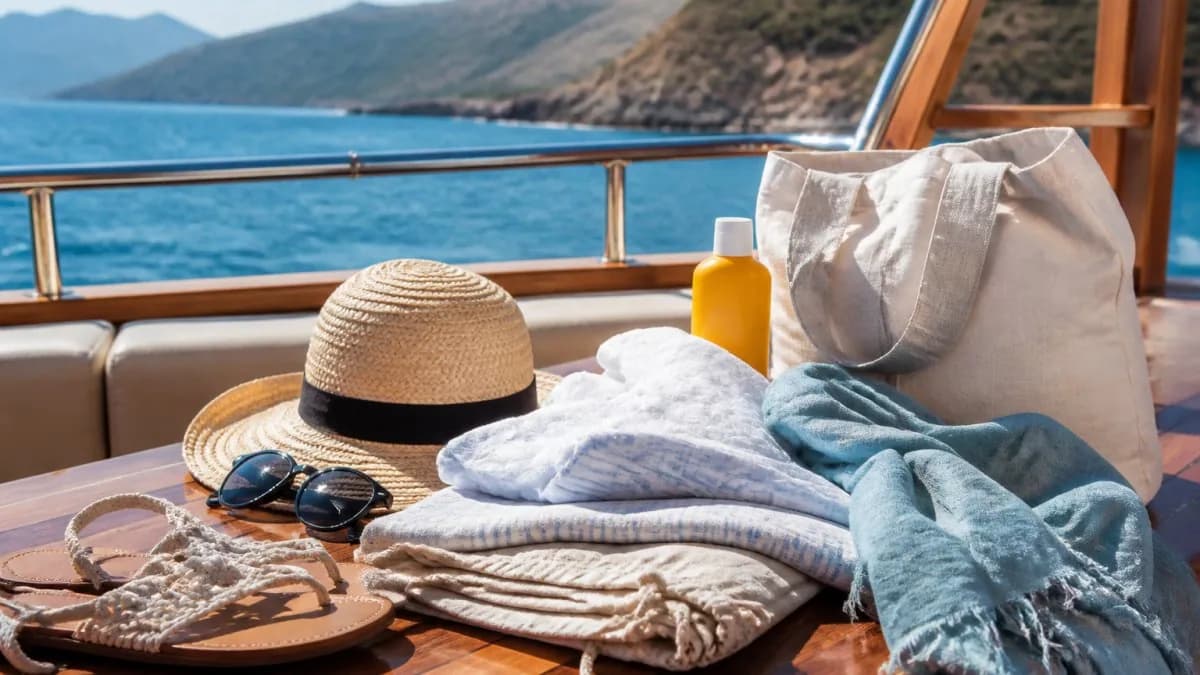
What to bring:
• A body and two lenses: a 16–35mm wide-angle and a 70–200mm telephoto
• Polarising filter: controls reflections on the water and deepens the sky
• ND filter: cuts the light for long exposures
• Tripod: prevents shake and fixes your composition
• Spare battery and memory card: there's no power on the beach
• Microfibre cloth: salty spray quickly smears the lens
Three techniques stand out. First, keep the horizon level; a tilted horizon in a seascape jumps out straight away. Second, shoot RAW; turquoise tones are much easier to correct in RAW. Third, use bracketing, because the difference in light between the sky and the bay is large.
In short: what decides the quality of a bay photo is not the lens but the time of day. At the wrong time even the best gear gives you a flat shot; at the right time basic gear can produce stunning results.
Photographing the Bays Without Harming Nature
Photographing the bays without harming nature is the first condition of a good shot. Bays are fragile ecosystems; once damaged, they don't easily recover.
The basic rules:
• Don't leave marked paths
• Don't take plants or rocks
• Take your rubbish with you
• Don't feed wild animals
• Check local restrictions before flying a drone
Special rules apply in protected areas along the coast of Muğla. It is best to check the current situation with official sources before you shoot.
The current rules for protected areas are published by Turkey's Ministry of Environment, Urbanisation and Climate Change.
Respect other visitors' space in busy bays too. Blocking someone's way for a photo is not good photography, just impatience.
Conclusion: Chasing the Light in Fethiye's Bays
A good photo in Fethiye's bays comes from matching the right bay with the right time. Ölüdeniz is best for wide shots, Butterfly Valley for vertical compositions, and Göcek and Kızılada for still water and reflections. Keep your gear simple, follow the light and leave no trace on the shore.
At Prime Turist we run boat trips, safaris and cultural day tours in and around Fethiye. Our day boat trips leave at 10:00; if you want the evening light, our private sunset cruise watches the sun go down at Kızılada.
You'll find the routes and times of our boat trips on each trip page.
Frequently asked questions
What are the best bays for nature photography in Fethiye? Ölüdeniz and Butterfly Valley, Göcek and Kızılada, and the bays on Fethiye boat trips stand out. Butterfly Valley offers steep cliffs and calm water, while Göcek has small islands and reflections for very different compositions. Early in the morning you may catch mist and soft light at these spots. When planning a route, think about how close the bays are to each other and which way they face at sunrise.
When is the best time to photograph Fethiye's bays? In spring and autumn the weather is milder and there are fewer people, which gives you a long shooting window. In summer the first hour after sunrise and the golden hour before sunset give the best light. Harsh shadows form at midday, so choose the morning for detail and texture shots.
What gear should I use for landscape photos in Fethiye's bays? A wide-angle lens is ideal for bay landscapes, while a telephoto lets you frame rocky details and distant islands. A polarising filter controls reflections on the water and an ND filter helps make the water look silky in long exposures. Bring a sturdy tripod and a spare battery. If the boat is moving, use a fast shutter speed to keep your shots sharp.
How can I photograph Fethiye's bays without harming nature? Don't step on plants, don't disturb nests on the rocks and don't set up your tripod in fragile areas near the water. Take your rubbish with you, don't light fires and don't feed wildlife. On boat trips follow the captain's instructions, and ask about anchoring spots so propellers and chains don't damage the seabed in shallow areas. These rules protect both your experience and the future of the bays.