Best Time to Walk the Lycian Way: A Season Guide
Prime Turist local team · Updated: October 2026 · 7 min read
The short answer to when is the best time to walk the Lycian Way: spring and autumn. These two seasons offer the best balance of temperature, trail conditions and daylight. It's the question people planning a Lycian Way walk ask most often, and below you'll see clearly which season suits you.
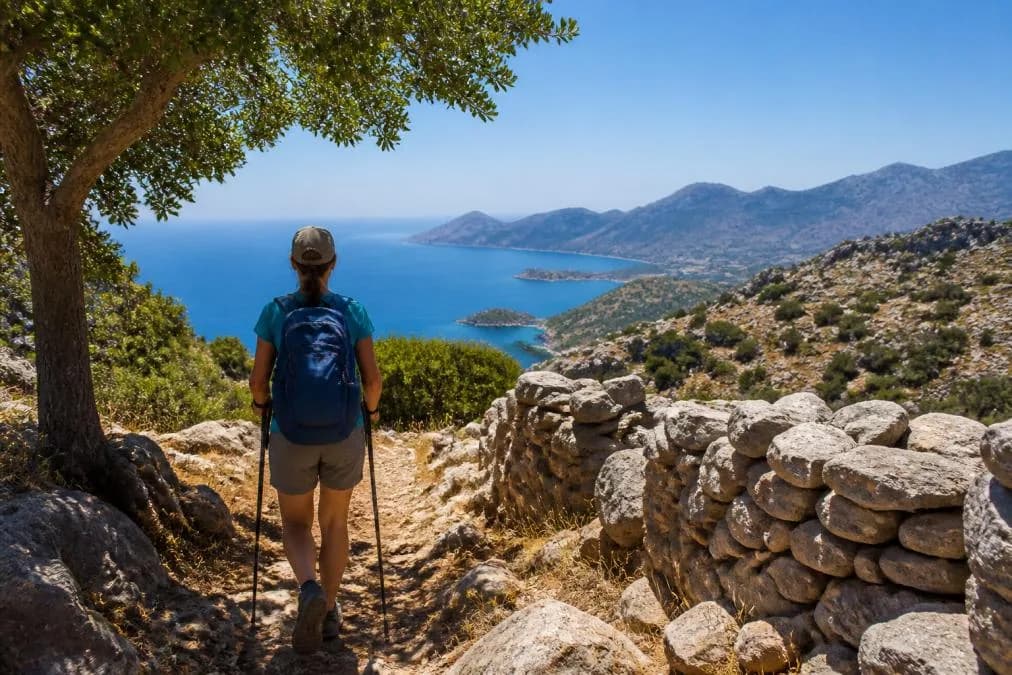
Lycian Way Seasons Compared
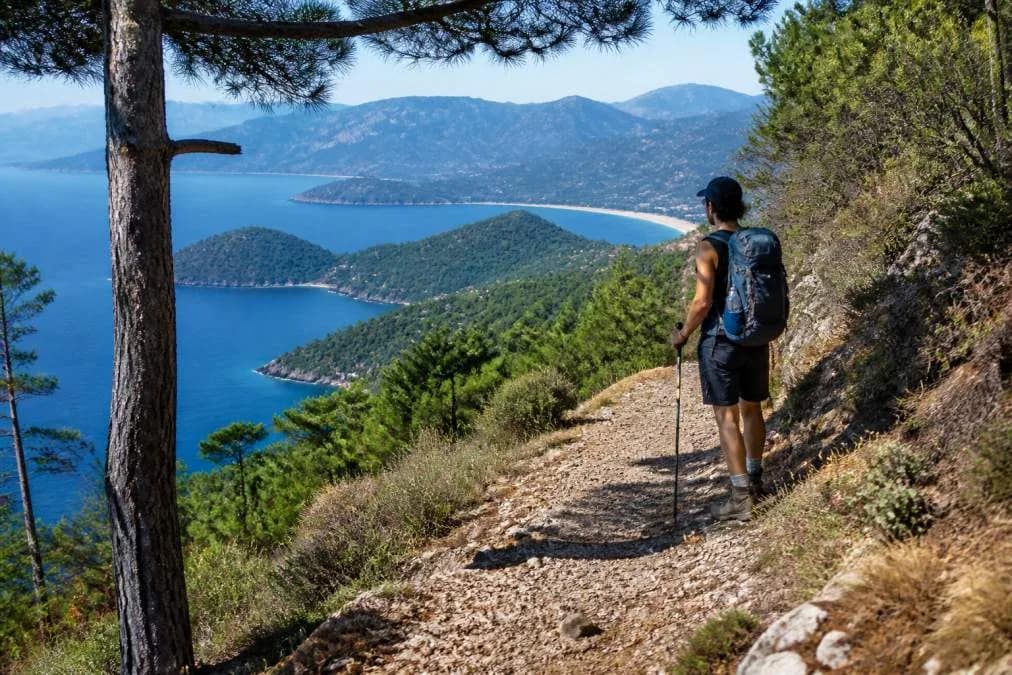
The Lycian Way is a long-distance walking route that runs from Fethiye towards Antalya, following the traces of the ancient Lycian civilisation. It passes high cliffs, pine forests and ancient cities along the Mediterranean coast. This landscape makes your choice of season matter almost more than anything else.
Season · Temperature (approx.) · Trail conditions · Sea · Best for
Spring · 15–25°C · Flowers, can be muddy · Cool but swimmable · Walkers doing long stages
Summer · 30–40°C · Dusty and dry · Warm and ideal · Short stages, early starts
Autumn · 18–28°C · Dry and firm · Still warm from summer · Walkers who want swim breaks
Winter · 8–15°C · Wet and slippery · Cold · Experienced walkers who like quiet trails
Spring: The Most Balanced Season for the Lycian Way
Spring is the most balanced season for walking the Lycian Way. From mid-March to the end of May, temperatures range from about 15 to 25°C and the days start getting longer. That lets you comfortably walk long stages and explore side routes too.
At this time of year the paths are dotted with red poppies and daisies. April showers can leave some sections muddy, though, so boots with a non-slip sole are a must.
Pros:
• Mild temperatures, so you can walk for hours without overheating
• Springs and water sources are still flowing
• Wildflowers and lush green scenery
Cons:
• Higher chance of rain
• The trail starts to get busier
• Mist on some high passes
Tip: If you're walking in early April, set off early in the morning. Showers often arrive suddenly in the afternoon and make rock surfaces slippery.
Autumn: Cooler Walking and a Warm Sea
Autumn is the best time for walkers who want to stop for a swim. From mid-September to early November the weather stays at around 18–28°C, and because the sea has been warming up all summer, it's at its most inviting for cooling off after a day's walk.
The summer crowds have gone. The paths are dry and slippery ground is hardly an issue. Coastal walks around Fethiye become far more enjoyable at this time of year.
Pros:
• Dry, firm paths
• The sea is warm enough for swimming
• Fewer walkers
Cons:
• The days get shorter by late October
• Some water sources may have dried up
• It cools down quickly in the evening
Can You Walk the Lycian Way in Summer or Winter?
You can walk in summer, but July and August are tough. Temperatures climb to 30–40°C and there's little shade. If you do want to walk, start before sunrise and finish by midday. On the exposed sections between Kaş and Demre, this rule can be a lifesaver.
Winter suits experienced walkers. Temperatures stay around 8–15°C and the trail is almost empty. But rain makes the paths slippery and some streams burst their banks. In January and February the days are short, so keep your stages short too.
Important: Not carrying enough water is the most common mistake in summer. On exposed sections it can be hours between water points, which creates a serious risk of heatstroke.
Preparing for the Lycian Way: Planning by Season
How you prepare for the Lycian Way depends on the season you choose. In spring a rain jacket and waterproof boots come first; in summer, sun protection and salt tablets take priority. In autumn you'll want layers, and in winter fully waterproof gear.
Whatever the season, every walker should carry:
• [ ] Good-quality walking boots (broken in beforehand)
• [ ] Room to carry at least 2 litres of water
• [ ] Sunscreen and a hat
• [ ] Spare socks and a first-aid kit
• [ ] An offline map app
• [ ] A power bank
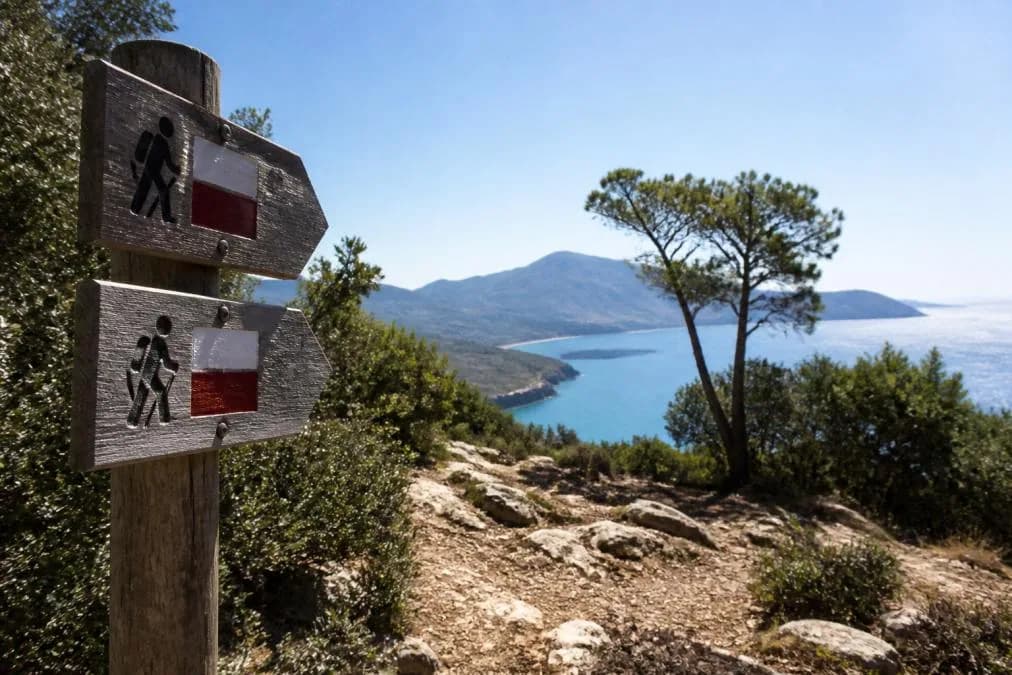
Waymarking in the Muğla region is generally good, but it may have faded in places. That's why you should keep an offline map on your phone.
In short: the season matters more than the gear. Walking with the right gear in the wrong season is harder than walking with average gear in the right one.
How Long Does the Lycian Way Take? Daily Pace
Walking the whole Lycian Way usually takes 20 to 30 days. The daily pace varies from 12 to 20 km depending on your experience and the season. In summer it makes sense to shorten that distance; in spring and autumn you can increase it.
An average walker covers around 15 km a day in 4–6 hours of walking. On days with a lot of climbing it takes longer. The sections on the slopes of Babadağ near Fethiye, for example, are noticeably slower than the flat coastal stages.
You can use this table as a guide when planning your stages:
Daily distance · Time · Difficulty
10–12 km · 3–4 hours · Easy
13–16 km · 4–6 hours · Moderate
17–20 km · 6–8 hours · Hard
Lycian Way Stage Difficulty and the Effect of the Seasons
How hard the Lycian Way stages feel is directly linked to the season. A stage that is moderate in spring becomes hard in midsummer. Heat, humidity and access to water completely change how difficult it feels.
Broadly, the route divides into three difficulty levels:
• Easy: coastal stages with little height gain
• Moderate: rocky sections and moderate climbs
• Hard: high passes, long stretches without water and technical descents
The section between Fethiye and Kaş has the widest mix of difficulty. Here you'll find both easy walks between bays and serious climbs.
Conclusion: Choose the Season That Suits You
Choosing the right season shapes your whole Lycian Way experience. If you want long stages and cool weather, spring is for you; if you want swim breaks and dry paths, autumn is your time. Summer and winter only make sense if you're ready to accept their particular conditions.
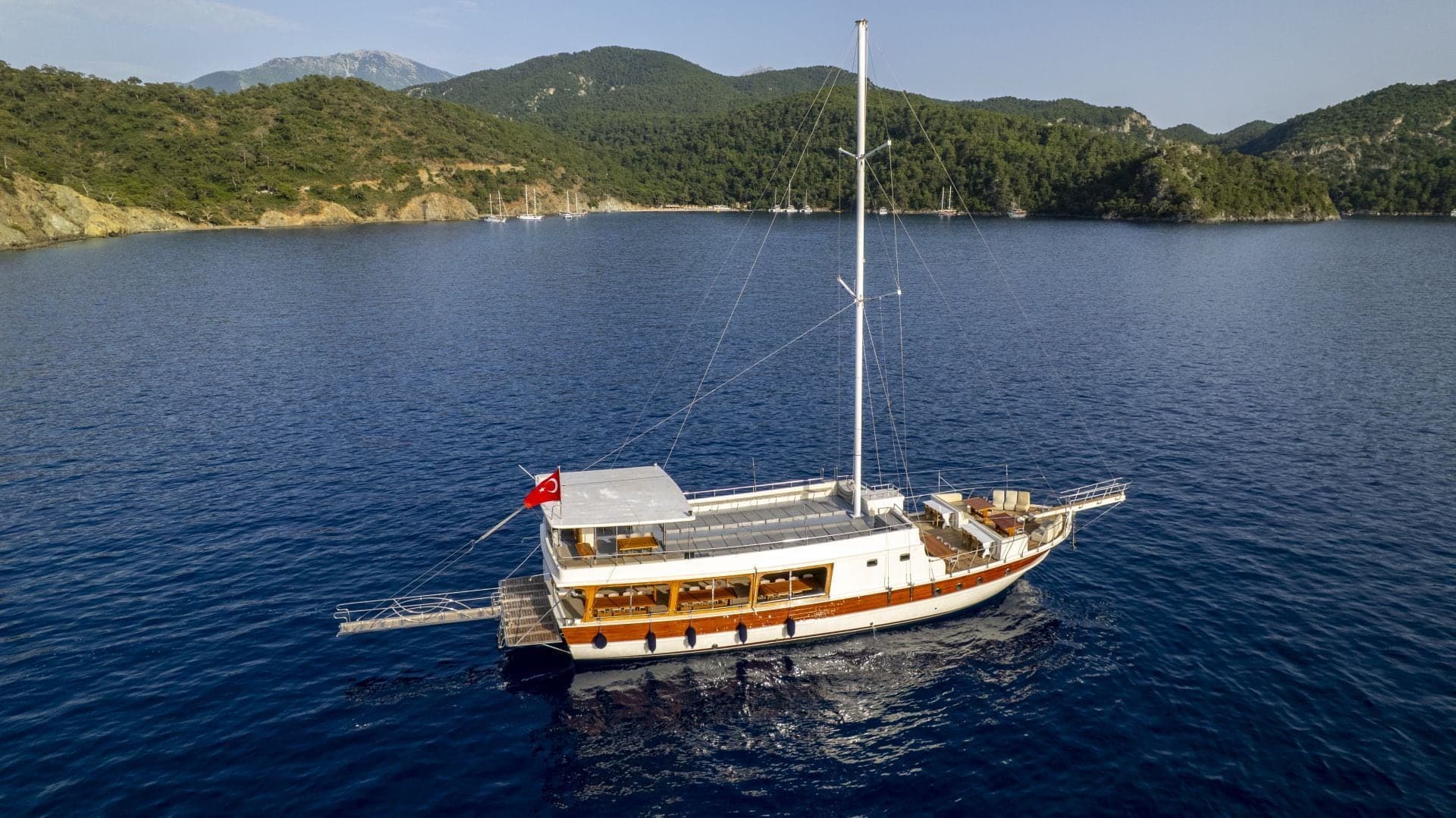
Prime Turist doesn't run hiking tours, but we do have trips from Fethiye for your days off the trail: boat trips, jeep and ATV safaris, and guided day trips to places such as Saklıkent, Dalyan, Kaş and Kalkan, and Pamukkale. Boat trips, the jeep safari, rafting and sightseeing tours run from 1 April to 31 October, while paragliding from Babadağ, the ATV safari, horse riding in Ovacık and the Rhodes ferry trip run in winter too. If you're planning a spring or autumn walk in 2027, tours between 1 April and 31 October 2027 are 20% off when you book by 31 March 2027. Message us on WhatsApp and we'll help you fit the right trips around your walking days.
Frequently asked questions
What are the best months to walk the Lycian Way? April, May, September and October are ideal. Daytime temperatures are usually around 18–26°C and there's less rain than in winter. July and August are extremely hot, while January and February are wet and windy. In spring nature comes alive and in autumn the sea is still warm; both seasons are also easy for accommodation and transport.
Can you walk the Lycian Way in summer? In July and August temperatures go above 35°C, humidity is high and water sources can dry up. It isn't impossible, but you need to start before sunrise (around 05:00–06:00), rest in the shade between about 11:00 and 16:00 and walk no more than 10–12 km a day. Even so, summer isn't recommended for inexperienced walkers.
How do you keep track of the weather on the Lycian Way? Check the 10-day forecasts for Fethiye, Kaş, Demre and Antalya regularly on the website or app of the Turkish State Meteorological Service (MGM), or in another reliable forecast app. Your guesthouse or local businesses can also tell you what conditions are like on the ground. Sudden downpours are possible in spring and autumn, so carry a waterproof jacket. Look at wind and temperature together.
What is the climate like at the Fethiye start of the Lycian Way? Fethiye has a Mediterranean climate: hot, dry summers and mild, wet winters. The best times for walking are April–May and September–October, when daytime temperatures are a pleasant 20–25°C or so; the sea is cool in spring and still warm in autumn. Around Ölüdeniz and Faralya, mornings are cool and there's usually a light breeze in the afternoon. In winter, rain can make the paths slippery.